
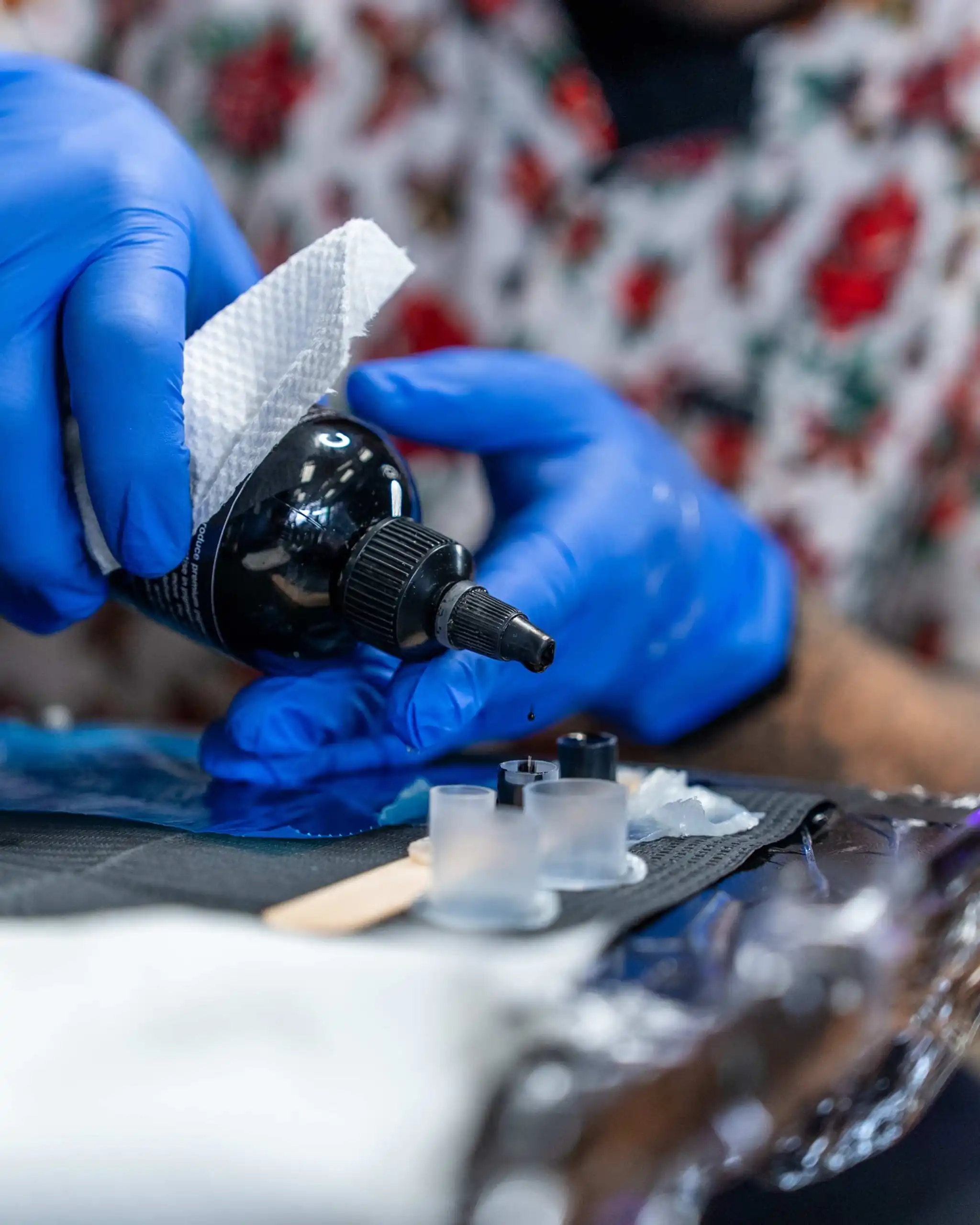
Getting your first tattoo is an exciting decision, but it’s also one you’ll live with for the rest of your life. Whether you’ve been planning this for years or just started researching, understanding the process from start to finish will help you walk into the shop confident and prepared.
Choosing the Right Tattoo Artist
Not all tattoo artists specialize in the same styles. Before booking an appointment, spend time looking at portfolios. Most artists post their work on Instagram or have galleries on their shop’s website. Look for clean lines, solid color saturation, and healed photos when available.
If you want a realistic portrait, find an artist who specializes in realism. If you want traditional American style, look for someone whose portfolio is full of bold lines and classic imagery. Matching your vision with an artist’s strengths makes all the difference in the final result.
How to Prepare for Your Tattoo Appointment
Preparation starts the night before. Get a full night’s sleep, eat a solid meal before your appointment, and stay hydrated. Your body heals better when it’s well-rested and nourished, and you’ll sit more comfortably during the session.
Avoid alcohol for at least 24 hours before your appointment. Alcohol thins your blood and can cause excessive bleeding, which affects how the ink settles into your skin. The same goes for blood-thinning medications—if you take any, talk to your doctor and your artist beforehand.
Wear comfortable clothing that allows easy access to the area being tattooed. If you’re getting work done on your ribs, don’t wear a complicated outfit.
What to Expect During Your Session
When you arrive, your artist will review the design with you and may make final adjustments based on placement. Once you approve the stencil, they’ll prep your skin and begin working.
Tattoo pain varies depending on the location and your personal tolerance. Bony areas like ribs, feet, and elbows tend to be more sensitive. Fleshier areas like the outer arm or thigh are generally easier to sit through. Most people describe the sensation as a consistent scratching or vibrating feeling.
Longer sessions may include short breaks. Communicate openly with your artist—if you need a moment, just ask. A good artist wants you to be comfortable throughout the process.
Tattoo Aftercare: The First Two Weeks
Proper aftercare is just as important as choosing the right artist. Your tattoo is essentially an open wound, and how you treat it during the healing process affects how it looks long-term.
Your artist will cover your fresh tattoo with a bandage or protective wrap. Follow their specific instructions for how long to keep it covered—this varies depending on the type of wrap used.
Once you remove the bandage, gently wash the tattoo with lukewarm water and fragrance-free soap. Pat it dry with a clean paper towel. Apply a thin layer of the aftercare product your artist recommends. Over-moisturizing can cause issues, so less is more.
For the first two weeks, avoid submerging your tattoo in water. That means no swimming, baths, or hot tubs. Showers are fine—just don’t let the water blast directly on the tattoo for extended periods.
Keep your tattoo out of direct sunlight while it heals. Sun exposure can fade fresh ink and cause irritation. Once fully healed, always apply sunscreen to your tattoos when spending time outdoors.
Signs of Normal Healing vs. Infection
Some redness, swelling, and mild oozing are normal in the first few days. Your tattoo will likely peel and feel itchy as it heals—don’t scratch or pick at it.
Signs of infection include increasing redness that spreads beyond the tattoo, pus, fever, or extreme swelling. If you notice any of these symptoms, contact your artist and seek medical attention.
Final Thoughts
A tattoo is a collaboration between you and your artist. Come prepared with reference images, be open to their professional input on placement and sizing, and trust their expertise. The best tattoos happen when clients and artists communicate clearly and work together toward a shared vision.
Take your time with this decision. Research artists, look at healed work, and don’t rush into anything. A great tattoo is worth the wait.
Ready to start your tattoo journey? Contact us today to schedule a consultation with one of our experienced artists.
Leave a Reply