
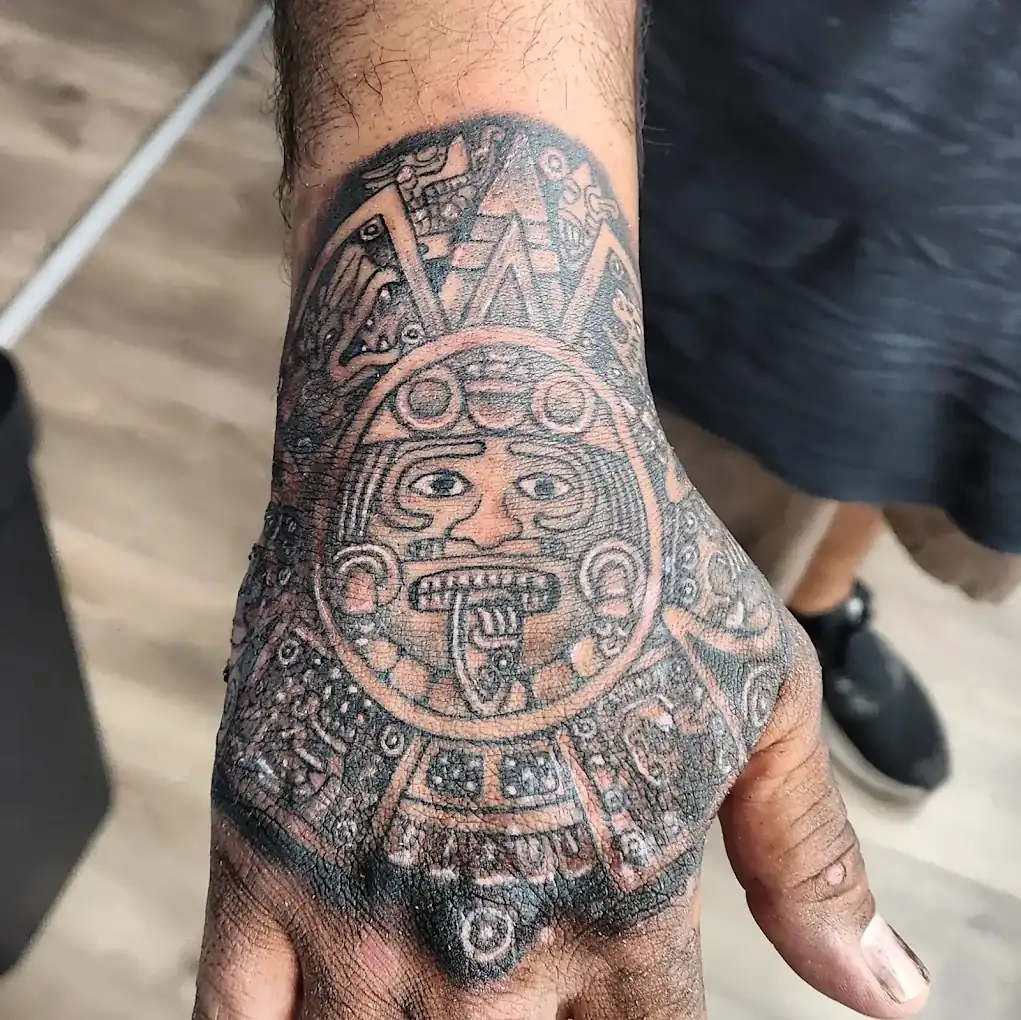
Tribal tattoos remain one of the most enduring and recognizable styles in body art. Characterized by bold black ink, strong geometric patterns, and flowing lines, these designs have transitioned from ancient cultural rituals to a globally appreciated form of personal expression.
Origins and Cultural Significance
The term “tribal tattoo” generally refers to traditional marking practices developed by indigenous communities across the Pacific Islands, Southeast Asia, Africa, and the Americas. Among the best-known traditions are:
- Polynesian tattooing (including Samoan tatau and Maori ta moko)
- Borneo and Dayak rosette and animal motifs
- Philippine Kalinga and Visayan patterns
- Various Native American and Inuit linear designs
In their original contexts, these tattoos often served multiple purposes: marking rites of passage, indicating social status, offering spiritual protection, or commemorating personal achievements. The process itself—frequently performed by hand-tapping or hand-poking—was considered a test of strength and commitment.
Common Design Elements
Traditional and modern tribal tattoos typically share these visual characteristics:
- Solid black ink with little or no color
- Repeating geometric patterns (spirals, triangles, waves, and zigzags)
- Sharp edges and high contrast
- Designs that follow the natural contours of the body
Popular motifs include shark teeth (symbolizing protection and adaptability), spirals (representing growth and eternity), spearheads (courage and warrior spirit), and animal-inspired forms such as scorpions or lizards (strength and resilience).
Tribal Tattoos in Contemporary Culture
Since the 1990s, tribal designs have enjoyed widespread popularity beyond their cultural origins. Today they are appreciated for their graphic impact, versatility, and ability to age well. The style works effectively as small accent pieces or large-scale coverage and suits a wide range of skin tones due to its high-contrast nature.
Modern interpretations often fall into two categories:
- Faithful reproductions or respectful adaptations of traditional patterns
- “Neo-tribal” or fusion designs that combine classic elements with contemporary themes
Considerations Before Getting a Tribal Tattoo
- Research the symbolism behind specific patterns, especially those drawn from living cultural traditions.
- Choose an artist experienced in bold line work and proper saturation techniques.
- Understand that thick, evenly applied black ink tends to hold its shape longer than fine or lightly shaded work.
- Placement on muscular areas (shoulders, chest, forearms, calves) often enhances the design’s flow and visual impact.
Conclusion
Tribal tattoos continue to appeal because they combine striking visual power with deep historical roots. Whether chosen for aesthetic reasons, personal meaning, or cultural connection, a well-executed tribal piece can serve as a timeless statement of identity and resilience.
When approached thoughtfully, this classic style remains as relevant and commanding today as it was centuries ago.
Leave a Reply