
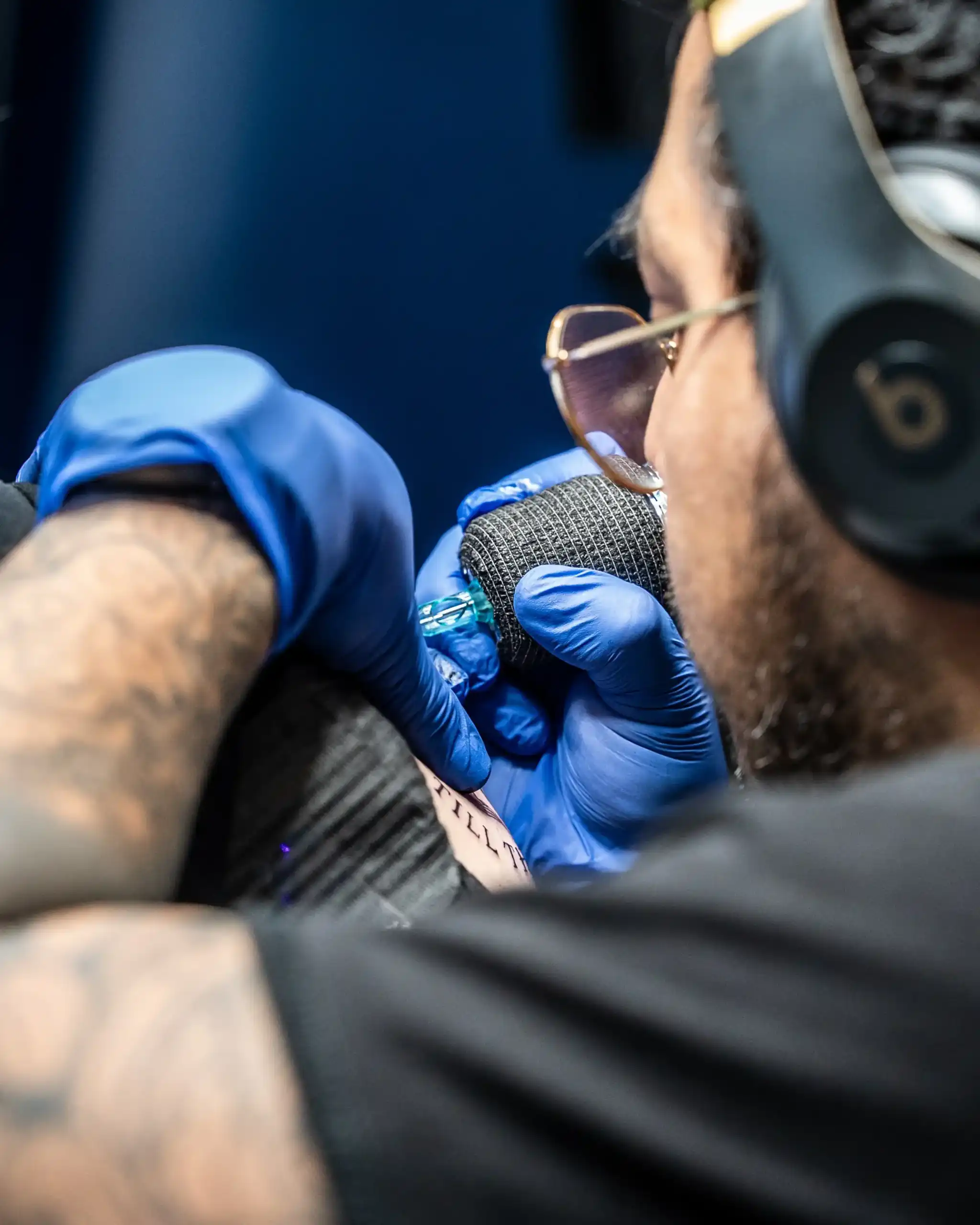
Tattooing is a skilled trade that combines artistry, technical ability, and professionalism. If you’re serious about pursuing a career as a tattoo artist, understanding the path ahead will help you set realistic expectations and build the foundation you need to succeed.
Start With Traditional Art Skills
Every successful tattoo artist starts as an artist first. Before you ever pick up a tattoo machine, you need a solid foundation in drawing. Practice sketching daily. Study anatomy, shading, composition, and color theory.
Draw in different styles—traditional, realism, black and gray, neo-traditional, geometric. The more versatile your drawing ability, the more prepared you’ll be when clients bring in varied requests.
Build a portfolio of your artwork on paper before thinking about tattooing. Shops and mentors want to see that you can draw before they invest time in teaching you the technical side.
Understand the Apprenticeship Process
The tattoo industry has a long-standing tradition of apprenticeships. This is how the craft is passed down—working under an experienced artist who teaches you proper technique, sanitation, client interaction, and shop operations.
Apprenticeships typically last one to three years depending on the shop and mentor. During this time, you’ll learn how to set up and break down stations, maintain a sterile environment, handle equipment, and eventually work on skin under supervision.
Apprenticeships are competitive. Shops receive many requests, so standing out requires a strong art portfolio, professionalism, and genuine dedication. Be prepared to demonstrate that you’re serious about the craft and willing to put in the work.
What Shops Look For in Apprentices
When approaching a shop about an apprenticeship, presentation matters. Bring a clean, organized portfolio of your best artwork. This should include original drawings—not traced work or copies.
Show range in your portfolio, but also highlight any styles you’re particularly drawn to. Shops want to see raw talent and potential, not perfection. They also want to see that you’re teachable and professional.
Attitude goes a long way. Be humble, respectful of the artists’ time, and ready to start at the bottom. Apprentices often spend months cleaning, observing, and practicing on fake skin before tattooing real clients.
Licensing and Health Requirements
Tattooing is a regulated industry. Most states and localities require tattoo artists to obtain a license, complete bloodborne pathogen training, and follow specific health and safety protocols.
Requirements vary by location, so research the regulations in your area. Common requirements include CPR certification, bloodborne pathogen certification, and registration with your local health department.
Understanding proper sanitation and cross-contamination prevention is critical. This protects both you and your clients and is taken seriously throughout the industry.
Practice on Synthetic Skin
Before tattooing real people, you’ll spend significant time practicing on synthetic skin. This allows you to get comfortable with your machine, learn proper needle depth, and develop your hand technique without risk.
Practice basic lines, shading, and color packing. Focus on consistency—clean lines that don’t waver, smooth gradients, and solid color saturation. These fundamentals take time to develop.
Your mentor will guide you on when you’re ready to move from fake skin to real clients, typically starting with simple designs on friends or family willing to let you learn on them.
Building Your Professional Portfolio
Once you start tattooing, document everything. Photograph your work in good lighting—both fresh and healed. Healed photos are especially valuable because they show how your tattoos hold up over time.
Post your work consistently on social media. Instagram remains the primary platform for tattoo artists to showcase their portfolios and attract clients. Keep your feed professional and focused on your tattoos.
As your skills develop, your portfolio should reflect your growth. Remove older, weaker pieces and replace them with your best current work.
Getting Hired at a Tattoo Shop
When you’re ready to work professionally, approach shops the same way you approached finding an apprenticeship—with professionalism and a strong portfolio.
Research shops before applying. Look at the artists who work there and the styles they specialize in. Apply to shops where your work would be a good fit alongside the existing team.
Be prepared for a working interview or guest spot. Many shops will have you work for a day or a week to see how you interact with clients, handle your station, and fit with the team dynamic.
Reliability matters. Show up on time, maintain a clean station, communicate clearly with clients, and be a professional. Shops want artists they can count on.
Keep Learning and Growing
The best tattoo artists never stop learning. Attend conventions, watch other artists work, take workshops, and stay open to feedback. Styles evolve, techniques improve, and there’s always room to grow.
Invest in quality equipment as you progress. Take care of your machines, needles, and supplies. Your tools directly affect the quality of your work.
Build genuine relationships within the industry. The tattoo community is tight-knit, and your reputation follows you.
Looking to start your career in tattooing? We’re always interested in meeting dedicated artists ready to put in the work. View our current opportunities and reach out to learn more about joining our team.
Leave a Reply